Coal based Activated Carbon: From Wastewater Treatment to Oil Purification
Industries need clean ways to remove dirt from water and oils. Coal based activated carbon is an exceptional black material that helps purify liquids. It has many small holes inside. These holes trap the impurities and hold them firmly. Because of its efficiency, it is used daily in factories.
Large factories and urban centers depend on this durable material for large-scale cleaning. The surface of this material tends to attract unwanted colors, foul smells, and dangerous chemical waste. The liquid passes through the filter beds, trapping contaminants within the pores.
This ensures the final output is safe, clear, and pure. Without this critical component, manufacturing and food processing industries will struggle to meet their quality and safety standards.
What Is Coal based Activated Carbon?
Coal based activated carbon is a special black material made from coal. The coal undergoes intense heating treatment to create millions of microscopic pores.
These small holes create a vast area for cleaning. When dirty water or oil contacts the carbon, waste material gets trapped in the inner pores.
Different coals and heating methods produce different pore sizes. As a result, manufacturers provide various forms of carbon for various industrial applications.
The two most common types of Coal based activated carbon are:
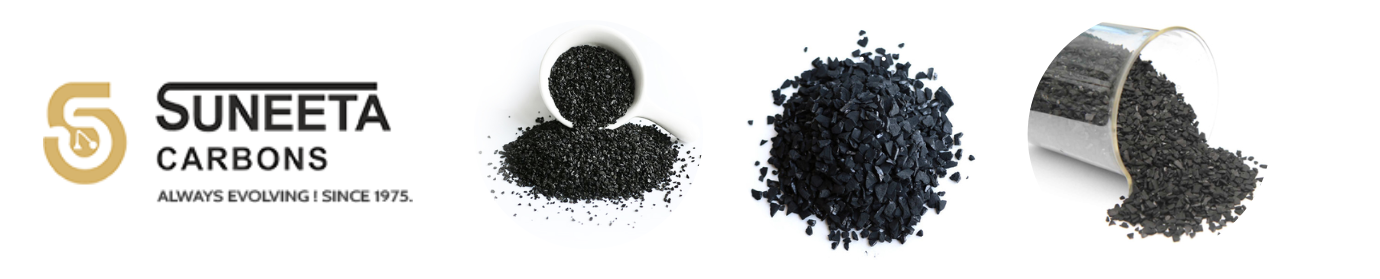
- Granular Activated Carbon (GAC) – Fixed-bed and continuous treatment systems
- Powdered Activated Carbon (PAC) – Direct dosing, mixing, and batch treatment processes
Coal based granular activated carbon is generally used where the carbon is placed in a treatment vessel or filter bed. The powdered form can be commonly introduced directly into a process stream and removed via filtration.
Coal based Activated Carbon in Wastewater Treatment
Factories and cities produce large amounts of wastewater. Different types of waste are produced. Wastewater purification with coal based activated carbon can remove waste and contaminants from dirty water.
Plants use two main shapes:
- Granular Carbon: Water flows steadily through fixed beds of carbon. It is ideal for large-scale operations that run continuously without interruption.
- Powdered Carbon: Fine carbon powder is added directly to the water. Workers use this technique in batches when they need to mix the solution quickly to remove waste and color issues.
Coal Based Activated Carbon for Edible Oil Purification
Making Cooking Oil Pure
Cooking oil needs to be clear and safe to eat. Coal based activated carbon in edible oil production can help reduce color and odor in soybean and sunflower oil.
How Refineries Use It
Refineries mix the carbon with hot oil. The powder traps unwanted color and bad taste. Next, paper filters separate the dark powder from the oil, giving us clean, golden cooking oil. This is how purifying coal based activated carbon maintains the oil’s safety and clarity.
GAC vs PAC: Which Form Fits the Application?
Choosing the right shape depends on the machine used:
- Granular (GAC): Ideal for tall towers in which water passes through for the entire day and can be reused.
- Powdered (PAC): Suitable when it is necessary to add carbon to a batch of liquid briefly.
What to Look for in Coal based Activated Carbon?
Buyers look for the following important information before purchasing:
- Iodine Value: The iodine value measures the ability of carbon to adsorb minute particles. Higher numbers indicate more porosity.
- Density: It describes how heavy the carbon is. It helps engineers design filter tanks properly.
- Ash Content: It indicates the amount of mineral dust remaining. Lower ash content indicates a good filtration process.
- Hardness: It ensures that the particles remain durable. Hard carbon will not break during backwashing.
- pH Level: This ensures that the substance is safe. It prevents the carbon from changing the liquid’s acidity.
- Particle Size: This measures the actual particle size. The right particle size makes the water flow easily.
Why Choose the Right Coal based Activated Carbon Grade?
Different purification processes have their own adsorption properties. For this reason, coal based activated carbon purification must be organized according to the specific process requirements.
For example, coal based activated carbon for wastewater treatment may require a grade designed for a particular contaminant profile and contact system. The grade for edible oil processing may differ depending on the type of oil and the stage of processing.
Choosing carbon based only on iodine value does not give a complete picture. You can also consider porosity, particle size, ash content, hardness, and other properties.
The best approach is to assess the entire application first, then choose the correct grade of coal based activated carbon for purification.
Why Choose Suneeta Carbons?
Suneeta Carbons manufactures high-quality Coal based granular activated carbon and powdered carbon. We build custom carbon formulations to purify water and oils. They check every batch for strength and purity. Suneeta Carbons can also manufacture custom sizes to suit your filter machines. Explore Suneeta Carbons to improve your cleaning process.
Conclusion
Coal based activated carbon is the best material for purifying contaminated water and oils. Choosing the right shape and grade helps every cleaning job work best. Do not hesitate to use the products of Suneeta Carbons.
Faqs –
- How does coal based activated carbon clean wastewater?
The dirty water passes through the carbon—the small openings within the carbon capture impurities and pollutants.
- Why use this carbon for cooking oil?
It removes darkness and odor quickly while preserving the oil’s nutritional value.
- What is the difference between granular and powdered carbon?
Granular carbon is made up of tough, small grains for constant water filtration. Powdered carbon is a very fine dust that is added to liquids.