How Activated Carbon Removes Chlorine and Improves Water Quality
Water treatment plants add chlorine to the municipal water supply to kill any bacteria and pathogens. Although chlorine ensures the safety of our water by eliminating pathogens, it leaves a chemical smell and taste and corrodes equipment.
An activated carbon water filter is the most reliable tool to remove residual chlorine and restore pure water. Activated carbon filters are widely used around the world to treat water in various spheres of our lives.
Topics we will cover –
- Why Is Chlorine Removed from Water?
- How Activated Carbon Removes Chlorine from Water
- Why Activated Carbon is Effective for Chlorine Removal
- Common Uses of Activated Carbon for Water Treatment
- Choosing the Right Activated Carbon for Chlorine Removal
- Conclusion
- Faqs
Why Is Chlorine Removed from Water?
Chlorine is effective in treating water. But when treated water comes out of your taps, residual chlorine can cause noticeable problems.
Key Highlights & Statistics
- More than 98% of public water systems utilize chlorine or chloramines as disinfectants.
- Free chlorine levels as low as 0.5 ppm (parts per million) can degrade delicate RO membranes after only a few months.
- The use of activated carbon to remove chlorine safeguards industrial operations and ensures safe drinking water.
How Activated Carbon Removes Chlorine from Water
Many believe that filters work simply by filtering particles, but chlorine removal using activated carbon involves both adsorption and reduction.
- Adsorption: The carbon has a porous surface that adsorbs organic matter, causing unpleasant smell and taste.
- Catalytic Reduction: The contact between the free chlorine (Hypochlorous acid or hypochlorite) and the active carbon surface results in a chemical reaction. In this case, the carbon is the reducing agent, which converts free chlorine to non-toxic chloride ions (Cl−).
Understanding how activated carbon removes chlorine in water explains why coconut shell activated carbon is the best to use. Coconut shell activated carbon is microporous and highly mechanically strong, which makes it catalytically effective.
Why Activated Carbon is Effective for Chlorine Removal
Using activated carbon to remove chlorine ensures consistent performance regardless of water quality.
- Massive Surface Area: A single gram of activated carbon contains more than 1,000 m2 of surface area for contact with chlorine molecules.
- Dual Action Performance: Removal of physical impurities (taste/odor) and chemical disinfectant at once.
- Long Service Life: High-quality activated carbon for chlorine reduction provides greater chlorine reduction capability, and replacement is needed less often.
- Low Operational Cost: This machine is highly cost-effective because it works effectively without the use of electricity or any chemicals.
Common Uses of Activated Carbon for Water Treatment
All modern activated carbon filters have their uses within a variety of industries:
- Drinking Water Purification: Removes odors and tastes from drinking water for both domestic and bottling purposes.
- RO Pre-Treatment: Removes chlorine through activated carbon before feeding into the reverse osmosis system, preventing oxidation of membranes.
- Food & Beverage Processing: Processed water will not affect the taste of ingredients or smell of the food products.
- Pharmaceutical Manufacturing: Provides pure water that is required to formulate and rinse drugs.
Water treatment industries utilizing activated carbon ensure uniform purity and protect downstream machinery.
Choosing the Right Activated Carbon for Chlorine Removal
The choice of the right grade will ensure that there is effective removal of chlorine through the use of the activated carbon:
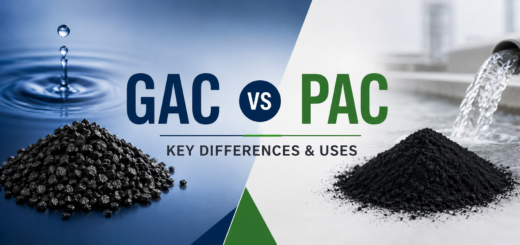
- Granular Activated Carbon (GAC): The best option for high-volume systems due to low pressure drop.
- Empty Bed Contact Time (EBCT): Proper contact time results in full reduction of chlorine through chemical means.
- Purity & Mesh Size: High-quality coconut shell carbon means higher density and less dust formation in your activated carbon water filter system.
Conclusion
Understanding how activated carbon removes chlorine helps understand its continued use as the standard for water purification. Effective chlorine removal protects expensive equipment, improves taste, and ensures safety. The quality of carbon used plays an important role here.
Suneeta Carbons is a reliable supplier of high-grade activated carbon made from coconut shells that have been specifically manufactured for use in water treatment processes. We use modern production techniques along with stringent quality checks. The activated carbon produced by Suneeta Carbons has high absorption properties that help remove chlorine and improve water filtration. Contact us now for the ideal activated carbon solutions that suit your water purification needs.
Faqs –
- Does an activated carbon water filter remove all chlorine?
Yes. An appropriately sized water filter using activated carbon with enough contact time can remove more than 99% of the free chlorine in the water.
- How often should activated carbon for chlorine removal be replaced?
Replacement depends on the volume of water and chlorine level. Residential filters are usually replaced after every 6 to 12 months, while in industries, chlorine breakthrough is measured to ascertain the filter life.
- Is coconut shell carbon best for chlorine removal using activated carbon?
Yes. Coconut shell charcoal offers a superior pore structure, hardness, and exceptional catalytic activity, making it the best option for chlorine removal.